GUATEMALA
Welcome to Guatemala
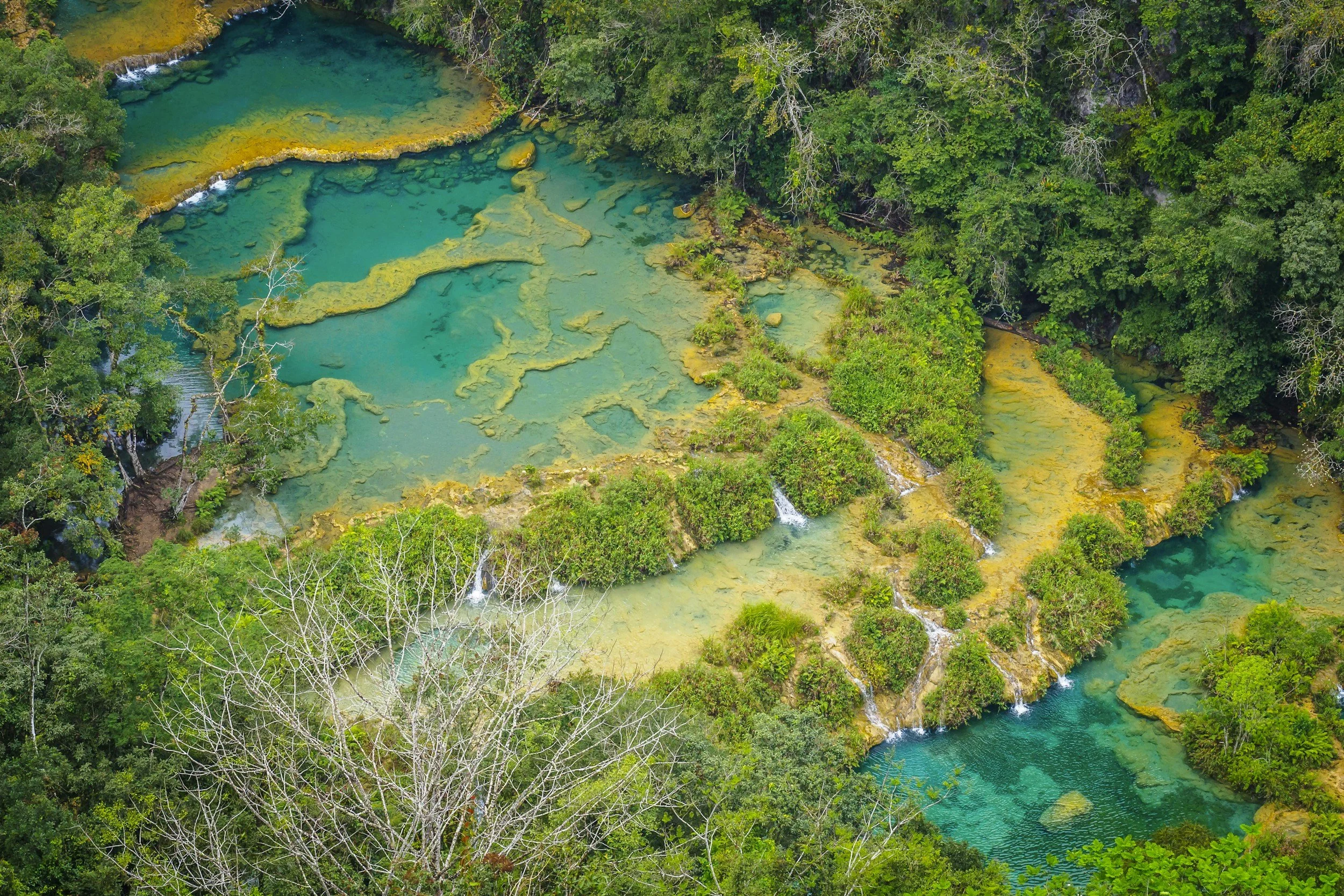
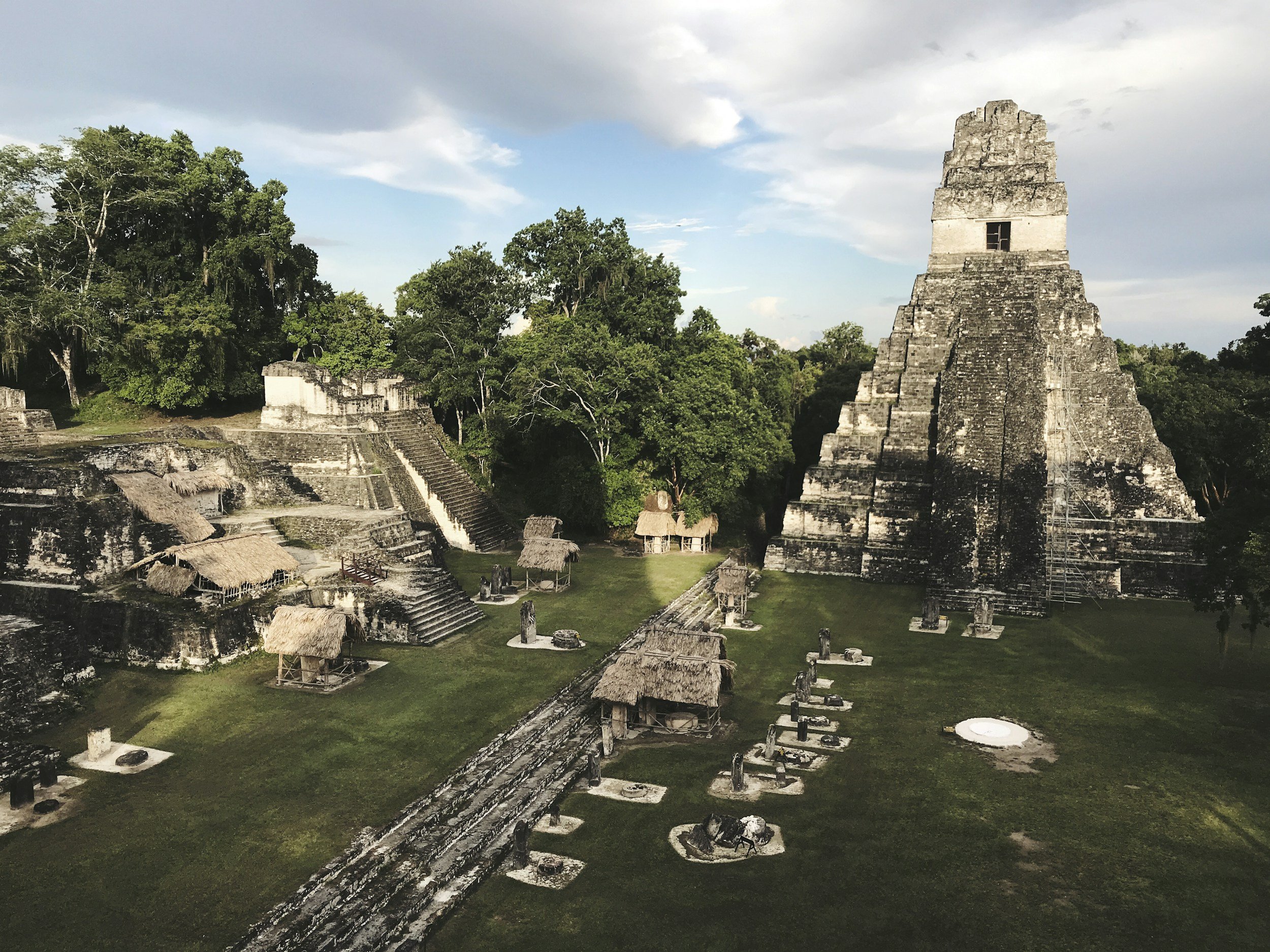
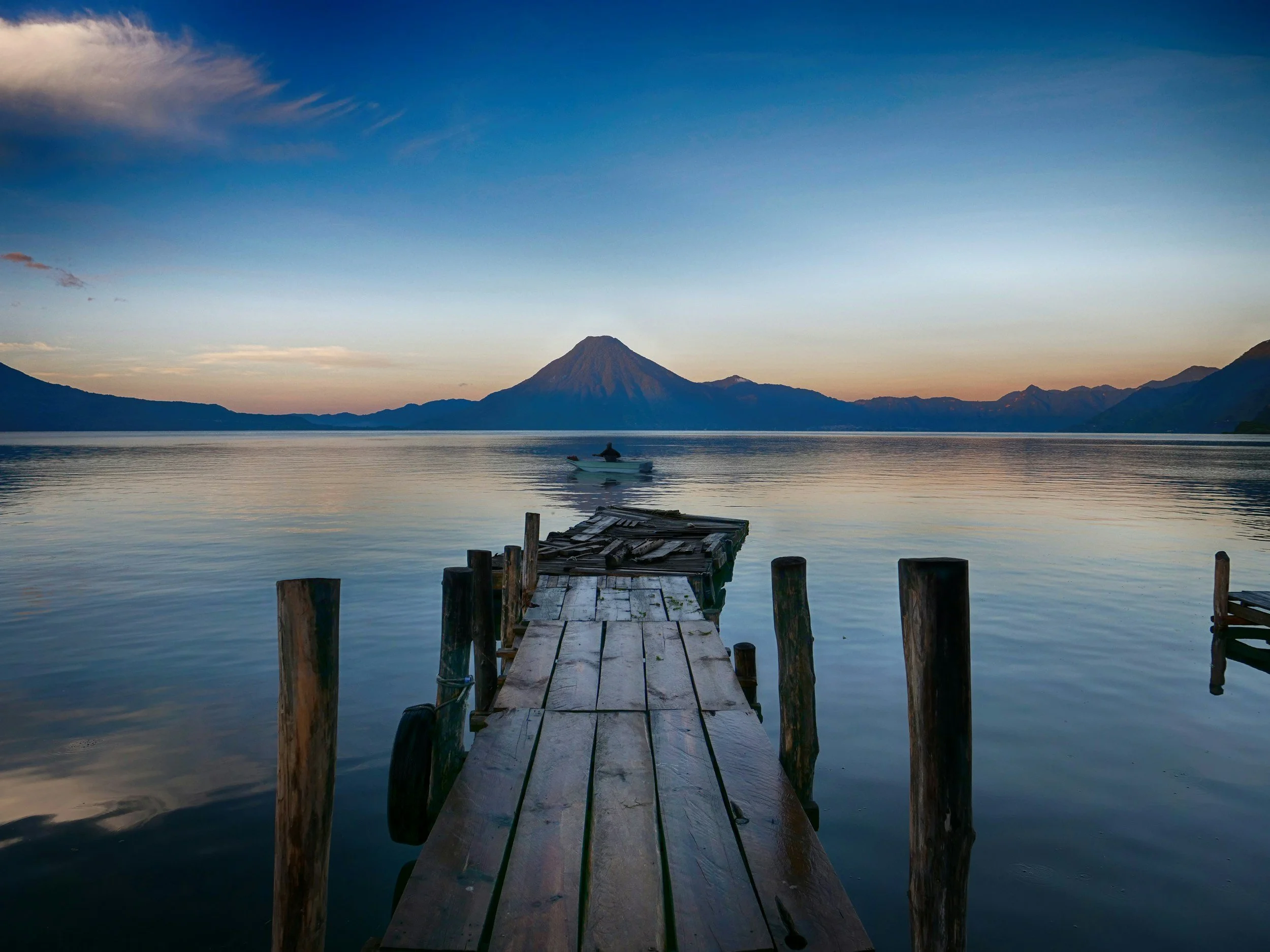
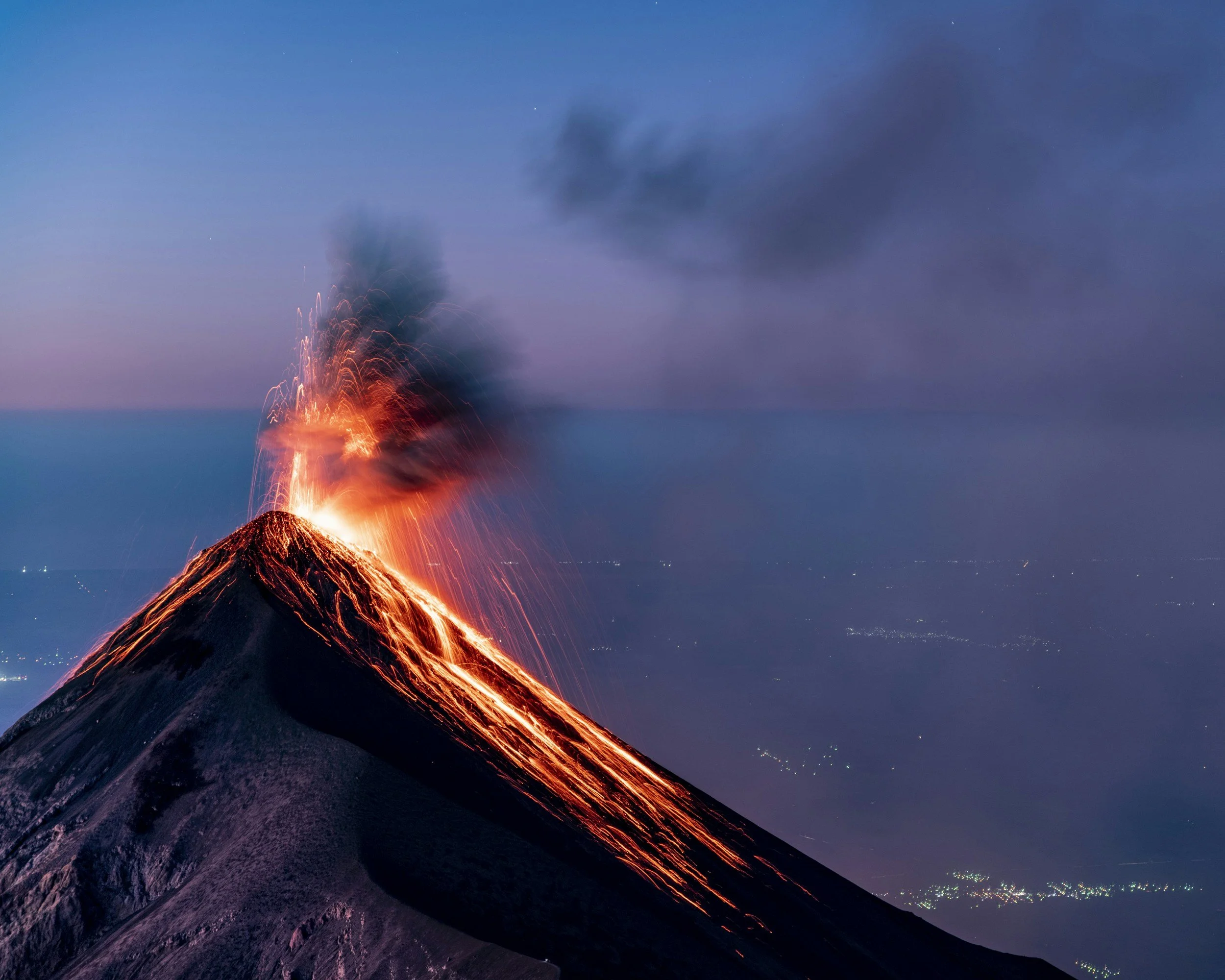
With its lush highlands, volcanic landscapes, and vibrant colonial cities, Guatemala is a country full of natural beauty and cultural richness. From the shores of Lake Atitlán surrounded by towering volcanoes to the ancient ruins of Tikal, the scenery is as breathtaking as it is diverse. Travelers are drawn to the warmth and hospitality of the Guatemalan people, whose traditions, markets, and colorful festivals bring every corner of the country to life. Blending stunning landscapes, deep cultural heritage, and memorable experiences, Guatemala is a destination that feels both adventurous and welcoming.
Non Profits in Guatemala
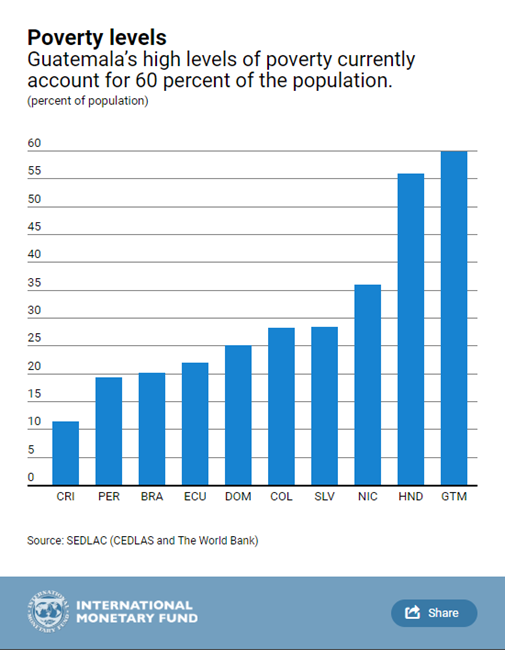
Distribution of poverty levels in Guatemala
Net official development assistance (ODA) received by Guatemala in 2022 was roughly US $438 million.
ODA per capita is estimated at around US $24.66 in 2023.
ODA as a share of central government expense has ranged around 3 %–5 % in recent years.
The NGO/civil society sector is sizeable: at least 1,871 NGOs were listed in the national register under a new law (with many more in process).
The registration process for NGOs has become more complex, and constraints on civil society operations have been reported.
The US government is a major bilateral donor: in 2022 the United States Agency for International Development (USAID) provided around US $117.9 million in foreign aid to Guatemala.
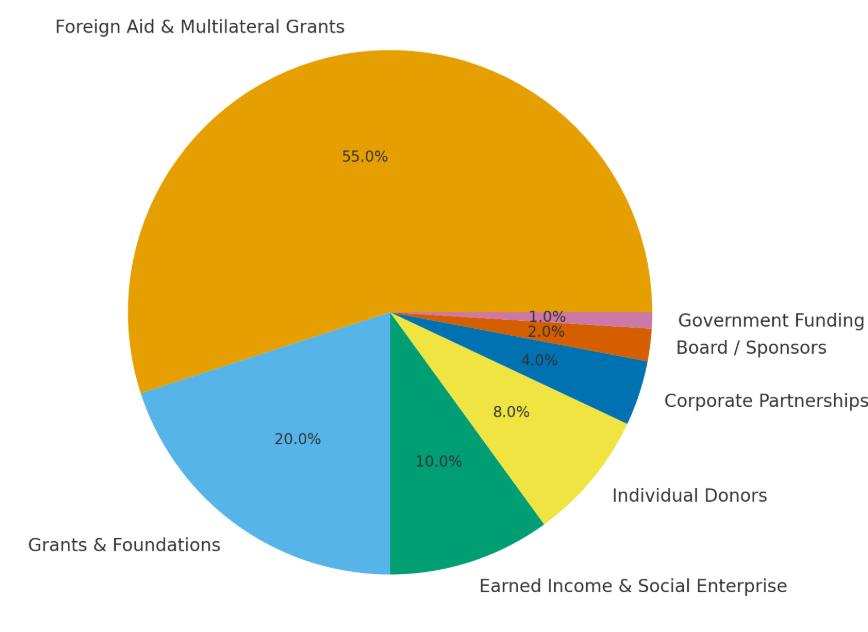
How NGOs Are Funded in Guatemala
Challenges Facing NGOs in Guatemala
NGOs in Guatemala face several persistent challenges that affect their ability to deliver long-term impact. One of the most significant issues is donor dependency and short-term funding. Much of the support NGOs receive comes from international donors, sponsors, and grants, which are often project-specific and limited in duration. This reliance on foreign funding makes organizations vulnerable to changes in donor priorities and global economic fluctuations, while constraining their ability to plan sustainably. A related challenge is the limited culture of domestic philanthropy. Individual giving and recurring donations are only beginning to develop in Guatemala, and many NGOs must work hard to cultivate local support, as initiatives like Giving Day are still in their infancy. Government support for NGOs is minimal, with public funds directed almost exclusively to public institutions, leaving NGOs to rely heavily on private donors, corporate partnerships, and grants.
Administrative and regulatory burdens also pose a barrier. NGOs must navigate significant paperwork and compliance requirements to maintain legal status and access international funds, which can overwhelm smaller or grassroots organizations with limited administrative capacity. Competition for funding is high, with NGOs vying for the same international grants and sponsorships, often against competitors who organize large events abroad or maintain dedicated fundraising teams. Many NGOs are also challenged by limited income diversification; while some generate revenue through volunteer fees, hotel income, or social enterprises, these sources are inconsistent and insufficient to sustain operations. Finally, NGOs often struggle to differentiate themselves and communicate their unique impact, making it difficult to write compelling grant proposals and attract long-term support. Collectively, these factors make the work of Guatemalan NGOs precarious, requiring constant adaptation to a challenging funding environment.
Why Help?
NGOs in Guatemala need YOU.
Learn what you can do.
Common risks for Guatemalan NGOs
Nonprofit Revenues in Guatemala
Most NGO funding in Guatemala comes from foreign donors (U.S., EU, international NGOs, bilateral and multilateral agencies).
International grants are typically short-term and project-based, creating financial dependency and instability.
Domestic philanthropy is small — there is no strong culture of giving to NGOs, and individual donor programs are only beginning to grow.
Corporate/CSR funding exists but is limited and not a major revenue source for most NGOs.
Earned income and social enterprise models exist, but they represent a minor share of total nonprofit revenue overall.
Government funding to NGOs is extremely limited — public funds mostly go to state institutions, not nonprofits.
There is no centralized national dataset that reports NGO revenue breakdowns, so analyses rely on surveys, case studies, and donor reports.
Across studies, the most consistent finding is heavy reliance on external, international funding, with domestic sources playing a much smaller role.
Education & Youth Development
Health & Nutrition
Poverty Alleviation & Livelihood
Environment & Disaster Risk Reduction
Human Rights & Governance
Arts, Culture & Heritage
Social Services & Welfare
Faith-Based & Spiritual Programs
Regulatory & Legal Risks: Guatemalan NGOs face strict government oversight under Decree 4‑2020, which allows suspension or deregistration for vague “public order” violations. Compliance with registration and foreign funding reporting is mandatory, and failure can result in fines or closure, creating uncertainty for long-term planning, especially for organizations working on human rights or environmental issues.
Funding Instability: Many NGOs rely heavily on foreign donors, leaving them vulnerable to shifts in donor priorities or sudden withdrawals. Limited domestic funding and transparency issues can further reduce credibility, making it difficult to secure sustained support for programs.
Reputation & Credibility Challenges: Past cases of mismanagement and low transparency have eroded public trust in the sector. NGOs that cannot demonstrate accountability or impact risk losing donor support and community engagement, limiting program effectiveness.
Operational & Human-Resource Constraints: Smaller NGOs often face high staff turnover, limited training, and weak capacity in financial management or program evaluation. These constraints reduce program quality and organizational resilience, especially during crises.
Political & Security Risks: NGOs working on sensitive issues like land rights, environmental protection, or human rights face harassment, threats, and potential violence. Political instability and corruption increase the likelihood of legal or operational challenges, while fragmentation in the sector can hinder scaling or alignment with local community needs.